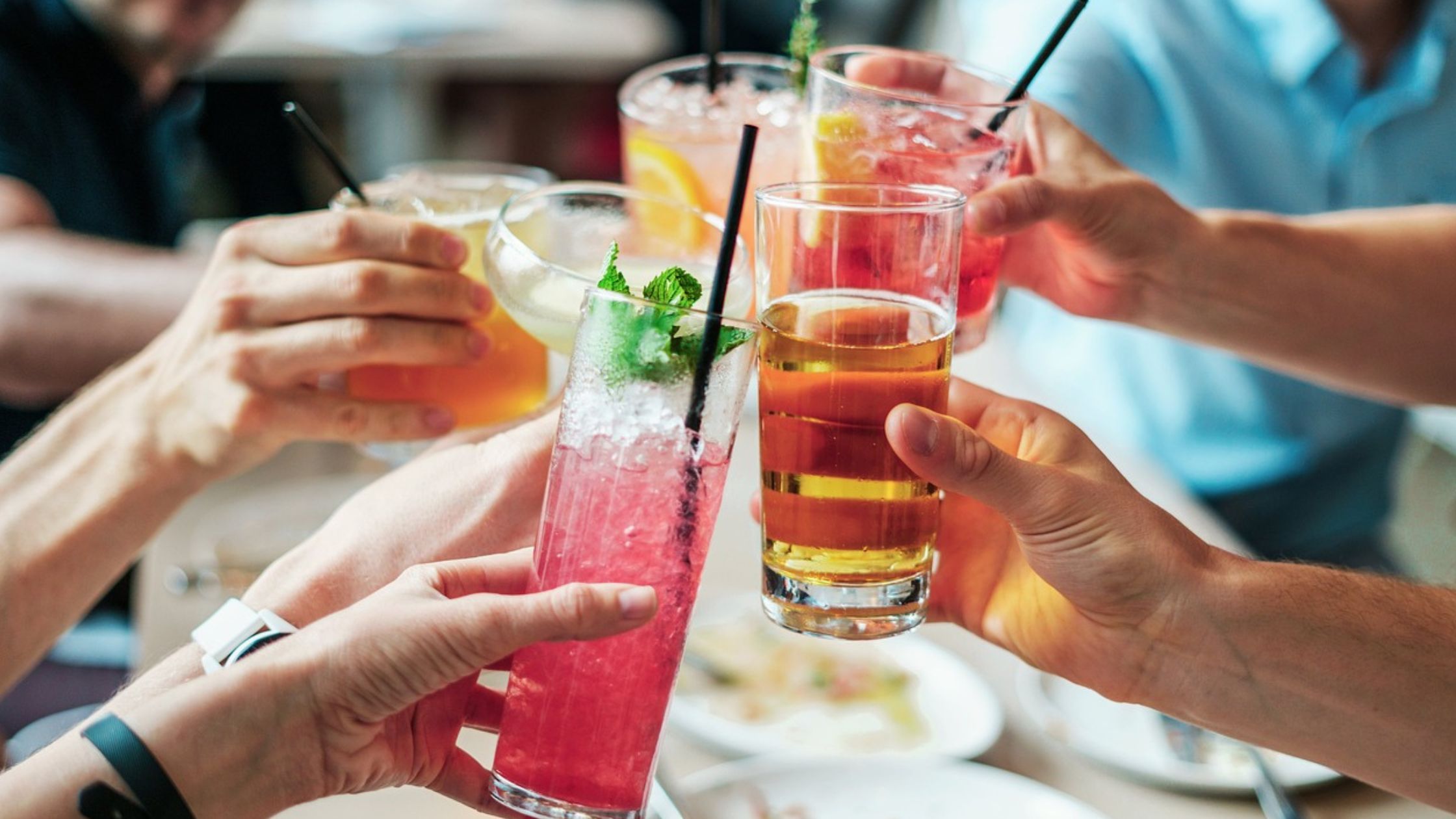

Alcohol Awareness Week 2025: Rethink the Pour
Australian love a good drink. I’m sure that this comes as no surprise to anyone reading this. In fact, in Australia, it isn’t uncommon to receive a raised eyebrow from others if you mention that you don’t drink. Drinking has found its way into so much of our daily routine. A glass of wine to round out a stressful day. Celebratory drinks. Friday knock offs. Solitary Netflix nights. It is one of the most common practices that exist to help ‘unwind’ and deal with the stress, worry, and anxiety of everyday life. Yet, without awareness, it is a coping strategy that has the risk to get out of hand and cause problems. That’s why Alcohol Awareness Week, running from July 7th to 13th this year, is well worth exploring.
Why Alcohol Awareness Week Still Matters
The campaign persists because statistics remain sticky. More than one in four adults (26.8 per cent) drank beyond the National Health and Medical Research Council guidelines in the last reporting year . Young adults top the league table: 36.1 per cent of 18- to 24-year-olds exceeded recommended limits, with the gender gap all but disappearing as young women closed in on young men’s consumption rates. These numbers are not isolated curiosities; they foreshadow avoidable cancers, road trauma and hospital admissions that stretch an already fatigued health system. Consequently, Alcohol Awareness Week matters because our drinking remains stubbornly resistant to polite advice, and it matters because the harms land unequally, being heavier in low-income households, rural communities and among families already juggling other stressors.
Beneath the statistics lies culture. The after-work pint is so normal that refusal still raises eyebrows. “I could never do that,” someone blurts when a colleague opts for sparkling water instead of sauvignon . Such comments reveal more about social anxiety than about taste. If a single week nudges even a handful of Australians to notice that reflex and respond with genuine support and offer a “That’s admirable, how can I help?”, the ripple effect may extend further than any brochure.
Australia by the Numbers: How Much We Really Drink
Thirty-one per cent of Australians aged fourteen and over, or roughly 6.6 million people, consume alcohol at risky levels, meaning more than ten standard drinks per week or more than four on any one day . The figure rises, not falls, when weekends arrive; binge episodes cluster around celebrations, sporting fixtures and, increasingly, “just because it’s Tuesday”.
The human cost is mirrored in mortality curves. Alcohol-induced deaths jumped 9.1 per cent in 2022, marking the fourth straight annual increase . Behind each uptick sits a mosaic: liver cirrhosis, preventable cancers, single-vehicle crashes at 2 a.m. The Australian Institute of Health and Welfare now lists alcohol as the sixth-highest risk factor for disease burden, responsible for 4.1 per cent of overall disability-adjusted life years lost . Numbers rarely feel visceral, but they translate into real wards, real funerals and real children asking why Mum is always tired.
Body and Brain on the Line
Alcohol has long been associated with relaxation and ‘letting go’.. Less advertised is its role in at least seven cancers, breast, bowel and liver prominent among them, and its direct contribution to cardiovascular disease, high blood pressure and depression . Regular heavy drinking impacts on sleep: rapid-eye-movement cycles fragment, leading to groggy mornings and the potential of daytime irritability. Memory retrieval grows foggy; decision-making slides into impulsivity, and libido may flicker before sputtering out altogether.
Meanwhile, the brain’s reward circuit adapts. Dopamine spikes that once felt like euphoria become baseline requirements to stave off unease. Dependence is not a moral shortcoming; it is neurobiology playing by its own rules. For some, that progression accelerates quietly: a glass to unwind evolves into half a bottle, then a nightly ritual that feels less like choice and more like compulsion. Alcohol Awareness Week therefore doubles as Prevention Awareness Week, because the step from recreational indulgence to medical diagnosis is shorter than many assume.
Love on the Rocks: Alcohol and Relationships
One in five Australians (4.6 million people) reported being verbally or physically harmed, or made fearful, by someone under the influence last year . Relationships erode in subtler ways too. Partners grow adept at translating slurred subtext; children internalise the lesson that celebrations require drinking. Emotional availability is traded for short-term escapism, and Sunday mornings begin not with pancakes but with apologies.
Alcohol’s social currency can foster bonding, yet the same currency devalues intimacy when overdrawn. Friends who used to share adventures may drift because pub-centric plans no longer appeal to everyone. Domestic arguments escalate faster when judgment is impaired. It is unsurprising that relationship counsellors note alcohol involvement in a significant proportion of sessions. Cutting back, then, is less about deprivation and more about reconnecting with partners in a meaningful way.
The Invisible Receipt: Counting the Dollars and Cents
Every pour has a price tag beyond the sticker on the bottle. Health-care costs, policing, workplace absenteeism and lost productivity combine into a national bill that hovers in the multi-billion-dollar range each year. At household level, a modest habit of ten standard drinks a week – say three craft beers on Friday, two glasses of pinot on Saturday, and a scattering through the weekdays – can easily exceed $2 000 annually at retail prices. For many families, that sum covers a domestic flight for a long-overdue reunion or dents a credit-card balance that keeps them up at night.
Financial stress then feeds the cycle it seeks to remedy: the nightcap serves as temporary balm for economic worries, while quietly enlarging them. Awareness, here, is useful arithmetic. A practical prompt during Alcohol Awareness Week might involve logging every purchase for a month, adding incidental spending (taxis, late-night takeaway) and deciding whether the ledger reflects values. Clarity, once tasted, is not easily forgotten.
Clocking In Hungover: Work and Performance
Mornings after a “quiet drink” demonstrate how alcohol blurs lines between personal and professional life. Presenteeism – the art of turning up physically but not cognitively – costs companies more than sick leave does, according to multiple productivity audits. Memory lapses, slower reaction times and reduced creativity linger long after blood-alcohol concentration hits zero. Safety-critical industries bear heightened risk; yet even office settings see avoidable errors, frosty team dynamics and missed opportunities.
Language choices at work influence whether staff feel supported or shamed. Comments like “Do you not find it boring?” may intend humour but instead amplify self-consciousness . Reframing is simple: curiosity about 0 per cent alternatives or genuine praise for a colleague’s goal invites belonging rather than defensiveness. A workplace culture that can replace “Come on, just one” with “Fancy a kombucha?” is not anti-fun; it is pro-autonomy.
Wellbeing Beyond the Glass
Quitting or cutting back often triggers a domino of wins that extend beyond liver enzymes. Sleep deepens; skin clears; morning anxiety softens into steadier mood. Weight management becomes simpler, as a 150-calorie beer withdrawn nightly composes more than 54 000 calories a year. Exercise feels less punishing when hydration is adequate. Mental-health disorders frequently co-occur with heavy drinking; removing alcohol can reveal which symptoms belong to underlying trauma and which were manufactured by ethanol.
On a societal level, lower consumption predicts reduced injury presentations in emergency departments, fewer instances of violence and a more courteous public sphere. Choosing moderation therefore serves both self and society, aligning with that oft-quoted airline instruction: fit your own oxygen mask first to assist others.
Small Shifts, Big Wins: Practical Strategies
Evidence suggests that success loves specificity. Setting a clear weekly drink ceiling, scheduling alcohol-free days and keeping a consumption diary are straightforward interventions with outsized impact . Swapping to low- or zero-alcohol beverages expands rapidly as craft brewers and distillers abandon the assumption that flavour must follow intoxication. Social planning matters too. Agreeing to meet friends for brunch or a coastal walk sidesteps triggers embedded in bar stools and familiar playlists.
Momentum thrives on accountability. Sharing goals with trusted allies or using purpose-built apps helps translate intention into routine. Celebrating milestones, such as weekends sober, kilograms shed, dollars saved, cements motivation. Importantly, these strategies are not about moral Puritanism; they are about reclaiming agency over a substance that quietly claims more than it offers when left unchecked. Alcohol Awareness Week spotlights them, but their efficacy stretches across every season.
When DIY Isn’t Enough: Getting Help
Self-directed change is laudable, yet withdrawal can carry medical risks for heavy users, and lapses may feel discouraging without structured support. General practitioners remain first-line allies, able to screen, advise and refer to counsellors or detox services. Peer groups, whether traditional twelve-step meetings or modern online communities, offer lived-experience wisdom. Digital programmes provide anonymity for those wary of stigma.
Release Hypnosis complements these pathways by harnessing hypnotic communication – a process of directing attention, leading cognition and seeding ideas – to help clients dismantle entrenched drinking scripts. The door is open whether your goal is moderation or abstinence.
Choosing Your Own Ending
Here we arrive at choice. Alcohol Awareness Week will fade from hashtags and headlines, yet your relationship with drinking will persist in your daily life. Perhaps the ledger feels balanced already. Perhaps it does not. Either way, the week’s real challenge is disarmingly simple: notice. Notice the reflex to toast every accomplishment; notice the anxious itch that suggests wine is softer than self-compassion; notice the possibility that a full, vivid life might require less ethanol, not more.
Small decisions accumulate, just as standard drinks do. Whatever you decide, decide consciously.
Release Hypnosis Melbourne Hypnotherapy
Since 2015, Lawrence Akers has been working under the name Release Hypnosis offering Hypnotherapy and ACT based work to the people of Melbourne or an online service. Based on St Kilda Rd, Release Hypnosis is an easy and convenient location to get to and accessible by the ANZAC station train and tram stop. Release Hypnosis can help with a wide range of presenting issues, and I offer a free 30 minute no obligation discovery call for those who are unsure if hypnotherapy is the right way forward for them.
Book Your FREE 30 Minute Consultation With Release Hypnosis NOW!
You may also like to read:
Hypnotherapy: A Guide to Healing Through the Subconscious
The Neuroscience of Gratitude and Effects on the Brain: Unlocking Mental Resilience
What Is The Success Rate of Hypnosis?