
Loneliness Awareness Week 2025 Australia: why “Moments Matter” and what actually helps
Loneliness can feel like a fog that drifts in uninvited. It touches young and old, city dwellers and country folk, the very social and the quietly independent. For Loneliness Awareness Week 2025 Australia, the invitation is simple and humane: notice the small exchanges that make life livable, then do more of them. The week runs from 4–10 August, and the theme, Moments Matter, gently reminds us that micro-connections can add up to real relief. Although this post foregrounds the Australian context, the ideas have been shaped to travel well. The experience is universal; the ways through it can be, too.
What loneliness is (and isn’t)
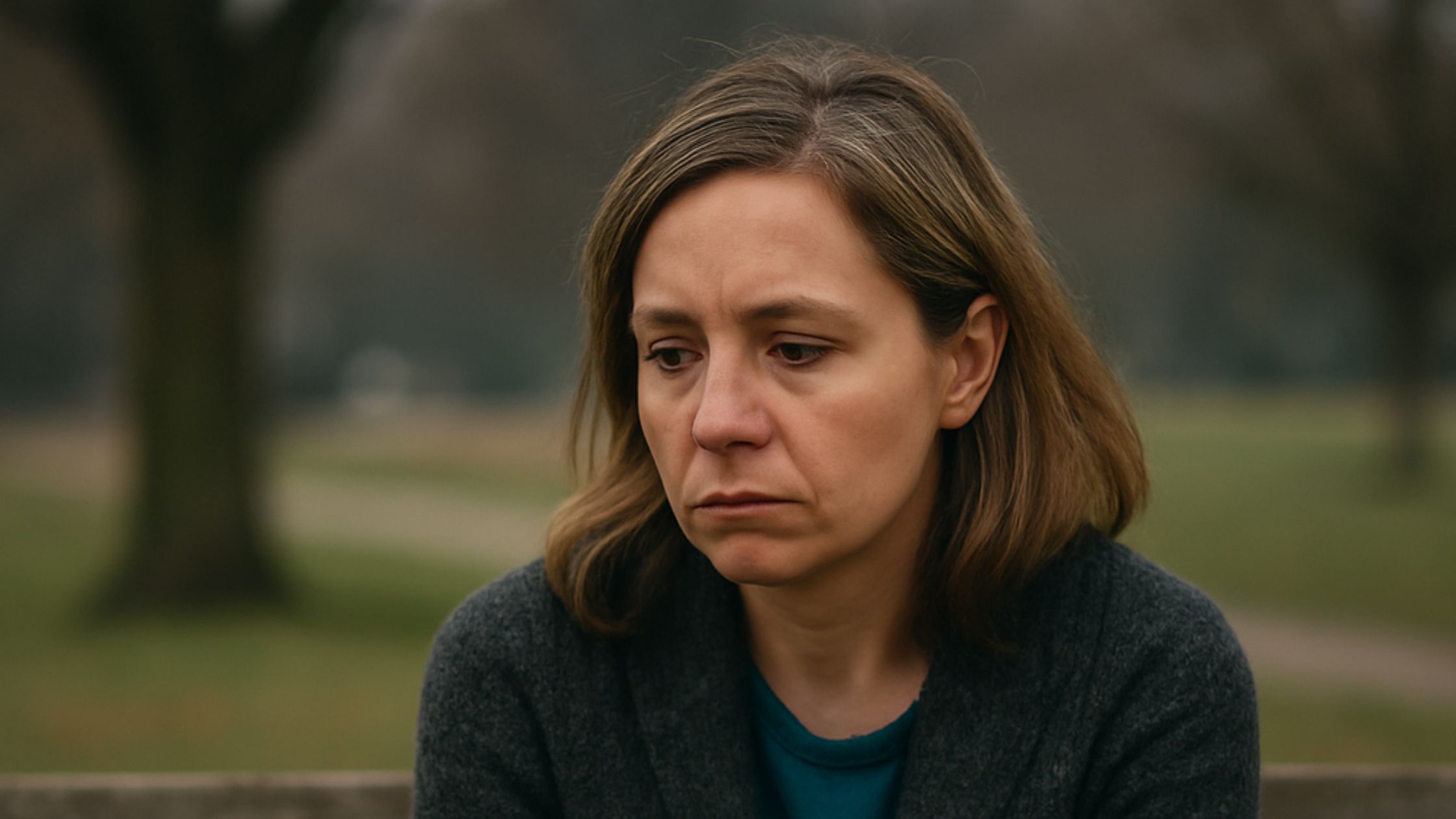
Loneliness is not the same thing as being alone; it is the gap between the connection we want and the connection we feel we have. Two people might stand in the same crowded room, both with a similar number of acquaintances. One may feel anchored by two solid relationships, while the other feels adrift despite a full diary. That paradox is part of what makes loneliness slippery to pin down and easy to misunderstand. The quality of our relationships matters more than the quantity, which is why someone with a small circle can feel content, and someone with a wide network can feel hollow. The body treats this gap as a signal, not a verdict. It is a prompt to adjust how we connect, not an indictment of who we are. In that sense, loneliness is less a personal failure and more a human nudge to seek, repair, or deepen bonds.
It is also not a diagnosis in itself, though it influences health in ways that deserve attention. Prolonged loneliness can aggravate low mood, heighten anxiety, and, over time, place stress on the body. Some research has even compared its physical toll to heavy smoking, which illustrates the scale if not the sensation. Because social relationships are a basic human need, the absence of satisfying connection can echo through sleep, immunity, and cardiovascular health. Yet framing still matters here. When loneliness is seen as a natural signal, it becomes easier to approach with curiosity and care. The question then shifts from “What is wrong with me?” to “What small step could nudge me toward closeness today?” That reframing opens space for practical experiments, especially during a week designed to make such experiments normal.
Why “Moments Matter” more than we think
The theme for this year is clever because it lowers the bar. If the cure for loneliness were “find a best friend by Friday,” most people would give up before they began. Moments are achievable. They can be a hello at the café, the extra pause you allow for a neighbour’s story, or the way you decide to sit on a park bench instead of eating at your desk. Because the human nervous system reads warmth in tiny signals — a smile, a shared laugh, a remembered name — those slivers of contact can register as safety. When repeated, they accumulate into belonging. This is why the campaign encourages conversations that normalise loneliness as a human emotion and invites communities, workplaces, and governments to play their part. It is less about grand gestures and more about socially nutritious snacks spread across the day.
Young people have been placed in focus this year, which makes sense when the pressures of late adolescence and early adulthood are considered. Expectations around identity and relationships collide with financial stress and, for many, a loss of third places — those informal community spots between home and work or school. Rather than telling young people to “just put themselves out there,” the campaign invites kinder tactics: build skills, reduce stigma, and create more low-stakes ways to connect. The spirit is compassionate and pragmatic at once. A society that makes it easier to bump into each other will inevitably make it easier to belong. That remains as true in Melbourne as it is in Manchester or Miami.
The Australian picture in 2025
Zoom out and the national story is sobering. Recent national summaries suggest that around one in three Australians report feeling lonely with some regularity, and a meaningful minority feel lonely often. The burden is not evenly distributed; higher rates appear among older adults and among young people. Persistent loneliness in youth has been associated with marked psychological distress, which can make the early adult years feel like wading through wet cement. Financial and housing pressures do not help, but the pattern runs deeper than economics alone. Loneliness is about felt connection, not just headcounts or street addresses. Even so, the macro view underlines why a campaign like Loneliness Awareness Week has public health relevance, not just personal resonance.
Economic modelling has tried to assign costs to what loneliness does to bodies, minds, and workplaces, and the figures are not trivial. Health-related costs run high, while broader impacts on productivity and education are harder to tally but easy to feel. Younger Australians, particularly those aged eighteen to twenty-four, report high levels of isolation, and national discussions have started to treat loneliness as a structural concern, not just a private sorrow. None of that removes the human dimension. What it does, however, is legitimise the effort spent on small, doable changes. When a problem is widespread and expensive, “small” stops sounding naïve and starts sounding strategic. This is the spirit of Moments Matter translated into policy and practice: build conditions that make connection the default.
Immediate relief strategies you can try today
Some days, loneliness feels loud. On those days, the task is to turn down the volume without pretending the feeling should vanish on command. Thought patterns can be one amplifier. It helps to notice them and get forensic, rather than fatalistic. If a story appears in your head — nobody wants me around, I always ruin conversations, I will be alone forever — treat it as a hypothesis, not a prophecy. The lens can be challenged, tested, and replaced with something more workable. Gentle cognitive-behavioural strategies can help you engage with the world again rather than hide from it. At the same time, the environment matters. Silence can magnify anxious thoughts, so it may help to add benign background sound: music you enjoy, a podcast with kind voices, or a favourite show chatting away in the next room. Even two minutes spent remembering a decent moment from your day can steady the mood a little. A tiny gratitude practice is not a cure-all, but it can shift attention toward signs of connection that already exist.
Movement helps, as does sunlight and fresh air. If the house has started to feel like a bunker, it can help to take your book to a café or your lunch to a local park. Sit somewhere that lets you watch people go about their lives. That is not passive; it is exposure in the best sense. It reacquaints the nervous system with the hum of society without forcing anything. Creative activity can play a similar role, because it gives the mind something absorbing to hold and often leads to casual encounters with others who like the same things. Volunteering belongs in this immediate toolbox too. Purpose has a way of shrinking isolation, and organisations are usually grateful for any regular help you can give. None of these actions require grand confidence. They reward small experiments repeated often. If today’s “moment that matters” is as simple as a smile at the bus stop, it still counts.
From awkward hellos to genuine belonging
Short-term comfort matters; long-term change keeps the comfort around. Building connection works better when the work feels safe and sustainable. One way to tilt the odds is to start so small the first step seems almost silly. A hello to the barista, a comment about the weather to the neighbour who shares the lift, or a quick check-in text to someone you have not spoken to in months can be chosen. These micro-contacts will not all bloom into friendships, yet they do two important things. They remind your nervous system that most interactions go fine, and they build a base of light ties that can later become stronger ones. It is amazing how often a casual “How have you been?” leads to coffee next week. Scheduling helps here too. A weekly class, a regular community meetup, or a standing call with a friend removes the burden of constant decision-making. Connection arrives because a place and a time have been chosen in advance.
Digital life can be a bridge if used with intention. Messaging and video calls allow closeness to travel across postcodes, yet social media comparison can make even good days feel poor. It is worth noticing how different platforms affect you and choosing formats that leave you lighter. Many people find that direct, synchronous contact — hearing a voice, seeing a face — nourishes more than passive scrolling. Joining online communities linked to real interests can also be a smart on-ramp, particularly for those who feel rusty in social spaces. The point is not to become a perfect extrovert; the point is to feel less alone more often. Small, regular behaviours beat occasional heroic efforts. It helps to think of belonging not as a switch that flips, but as a garden that gets tended.
A simple self-hypnosis exercise for steadier social courage
Self-hypnosis is not mysterious. It is the use of language and attention to guide your focus and seed ideas that help you act differently. It can be considered structured daydreaming with a purpose. If you would like to try it, set a timer for five minutes to begin. Sit somewhere you will not be interrupted. Let your eyes rest on a neutral spot, or close them if that feels easier. Breathe in through the nose and extend the out-breath by a count or two; a longer exhale usually helps the body settle. With each out-breath, invite the muscles of the face, shoulders, and hands to loosen by one small notch. The aim is not perfect calm; it is enough calm.
Now, pick a small social action for the next twenty-four hours. It could be saying hello to someone in your building, or sending a short message to an old friend. Imagine yourself doing that action as if watching a short film. See the environment and the details. Notice your posture. Hear your own tone of voice sound warmer than usual. Then move into the “you in the scene” and feel the moment from the inside. Let a few helpful phrases play in the background, such as “I do not need to be impressive to be friendly,” or “I can be curious and brief.” If worry tries to interrupt, it can be thanked for the warning while you return to the scene. Finish by picturing the moment afterwards, with your attention on a small reward: the relief, the pride, and the next tiny step. When the timer ends, write one sentence about what you will do and when. The goal is gentle momentum, not perfection.
When loneliness feels heavy, support exists in Australia and beyond
It is possible to need more help than strategies alone can offer. That is not a failure; it is a sign that you are paying attention to your limits. If your mood has been low for weeks, if hopelessness has crept in, or if you have started to withdraw from everything that once mattered, it is time to widen your circle. In Australia, national services are designed to be easy to reach, and speaking to someone — by phone, text, or webchat — can break the isolation loop. Lifeline provides immediate crisis support and practical resources. Beyond Blue offers mental health information and pathways to support. The Suicide Call Back Service provides counselling and safety planning, including support for carers and those bereaved by suicide. FriendLine exists specifically to provide a friendly voice when you want to chat. These options sit alongside GP care, community programmes, and private therapy.
International readers will find similar services where they live, even if the names differ. What matters is quick access and a supportive response. A short, human conversation can provide enough steadiness to try one more small step. If immediate safety is a concern, local emergency services should be contacted without delay. Help is not a luxury item reserved for when you have “earned it” by being strong for too long. Help is one of the ordinary ways human beings get back to themselves, and it remains available.
If you need immediate support in Australia: Lifeline 13 11 14 (24/7), Beyond Blue 1300 22 4636, Suicide Call Back Service 1300 659 467. For emergencies, call 000.
Practical takeaways for Loneliness Awareness Week 2025 Australia
Because moments matter, the most helpful plan is usually the one you can start today. Begin with something gentle and specific so your nervous system does not revolt at the thought. Rehearse that step with the brief self-hypnosis exercise so it feels less foreign. Add benign background sound if silence increases the chatter in your head. Spend half an hour in a public place and study the edges of connection there. Send one message to someone who used to be in your orbit. Choose an activity where the conversation has a built-in topic. If you have the bandwidth, volunteer; if you do not, be kind to yourself and try again tomorrow. The goal this week is not to perform connection to please a campaign. It is to notice where connection already glints in your life and to polish those places.
If you want a slightly longer horizon, schedule two touchpoints for the next fortnight and treat them like appointments with yourself. Choose one habit that makes you feel more available to people — a walk in daylight, a weekly class, or a cuppa with a colleague — and keep it simple. Use technology to talk to faces and voices rather than to scroll through comparisons. Keep an eye on how each change feels and adjust as needed. Belonging is not built by force; it is grown with patient repetition. In that spirit, Loneliness Awareness Week is less a seven-day fix and more a marker in the year that says, here is a good time to try again.
Release Hypnosis Melbourne Hypnotherapy
Since 2015, Lawrence Akers has been working under the name Release Hypnosis offering Hypnotherapy and ACT based work to the people of Melbourne or an online service. Based on St Kilda Rd, Release Hypnosis is an easy and convenient location to get to and accessible by the ANZAC station train and tram stop. Release Hypnosis can help with a wide range of presenting issues, and I offer a free 30 minute no obligation discovery call for those who are unsure if hypnotherapy is the right way forward for them.
Book Your FREE 30 Minute Consultation With Release Hypnosis NOW!
You may also like to read:
Hypnotherapy: A Guide to Healing Through the Subconscious
The Neuroscience of Gratitude and Effects on the Brain: Unlocking Mental Resilience
What Is The Success Rate of Hypnosis?
Release Hypnosis Melbourne Hypnotherapy is accessible for people in: Abbotsford, Armadale, Albert Park, Balwyn, Bentleigh, Black Rock, Box Hill, Brighton, Brunswick, Bulleen, Bundoora, Camberwell, Canterbury, Carnegie, Caulfield, Chadstone, Cheltenham, Clayton, Coburg, Collingwood, Deer Park, Doncaster, Elsternwick, Eltham, Elwood, Epping, Essendon, Fairfield, Fitzroy, Footscray, Glen Iris, Glen Waverley, Glenhuntly, Greensborough, Hampton, Hawthorn, Heidelberg, Highet, Ivanhoe, Kew, Kooyong, Lalor, Laverton, Lower, Plenty, Macleod, Malvern, Middle Park, Moonee Ponds, Melbourne, Moorabbin, Mount Waverley, Murrumbeena, Northcote, Oakleigh, Ormond, Parkville, Pascoe Vale, Port Melbourne, Prahran, Preston, Richmond, Rosana, Sandringham, South Yarra, South Melbourne, Spotswood, St Albans, St Kilda, Surrey Hills, Templestowe, Thornbury, Toorak, Tullamarine, Williamstown, Yarraville, North Melbourne, Windsor, East Melbourne, Melbourne, Melbourne CBD, Melbourne 3004